







Clockwise: why do they turn from left to right ?
Regardless of the type of watch you choose, the hands of a clock always rotate from left to right. But why? That's what we'll explore in this article.

To understand the direction of the hands of the clock, we must go back to ancient Greece. … It was indeed during this period that sundials were invented. The left-to-right movement of the hands originated in Egypt around 1500 BC. At that time, the Greeks lived in the Northern Hemisphere, where the sun travels across the sky from east to west, passing through the south. As a result, the shadow on the sundial moved from left to right. Thanks to the shadow cast by a fixed rod, they discovered that it was possible to measure the passage of time. The shadow of the sundial rotates around the rod in the same direction that was chosen for the hands. The Greeks had also observed that their shadows moved in this same direction, and what could be more natural than to use a known movement for their inventions?
When the first clocks were created between the 12th and 15th centuries, it was most likely out of habit and following the discoveries of the Greeks that this direction was chosen. The mechanical clock was invented in this same hemisphere, and its creators were indeed inspired by this movement. Want to learn more about the history of timekeeping? Discover our article on the history of French horology!

But then, fundamentally, it wouldn't change anything if the hands of the clocks turned In the other direction? Not so sure… Imagine if sundials and then clocks had been invented in the southern hemisphere, where the sun follows an east-west path through the north: the shadow on the dial would have moved in the opposite direction, and consequently, the counter-clockwise direction would have been used to make watches. Makes sense, right?
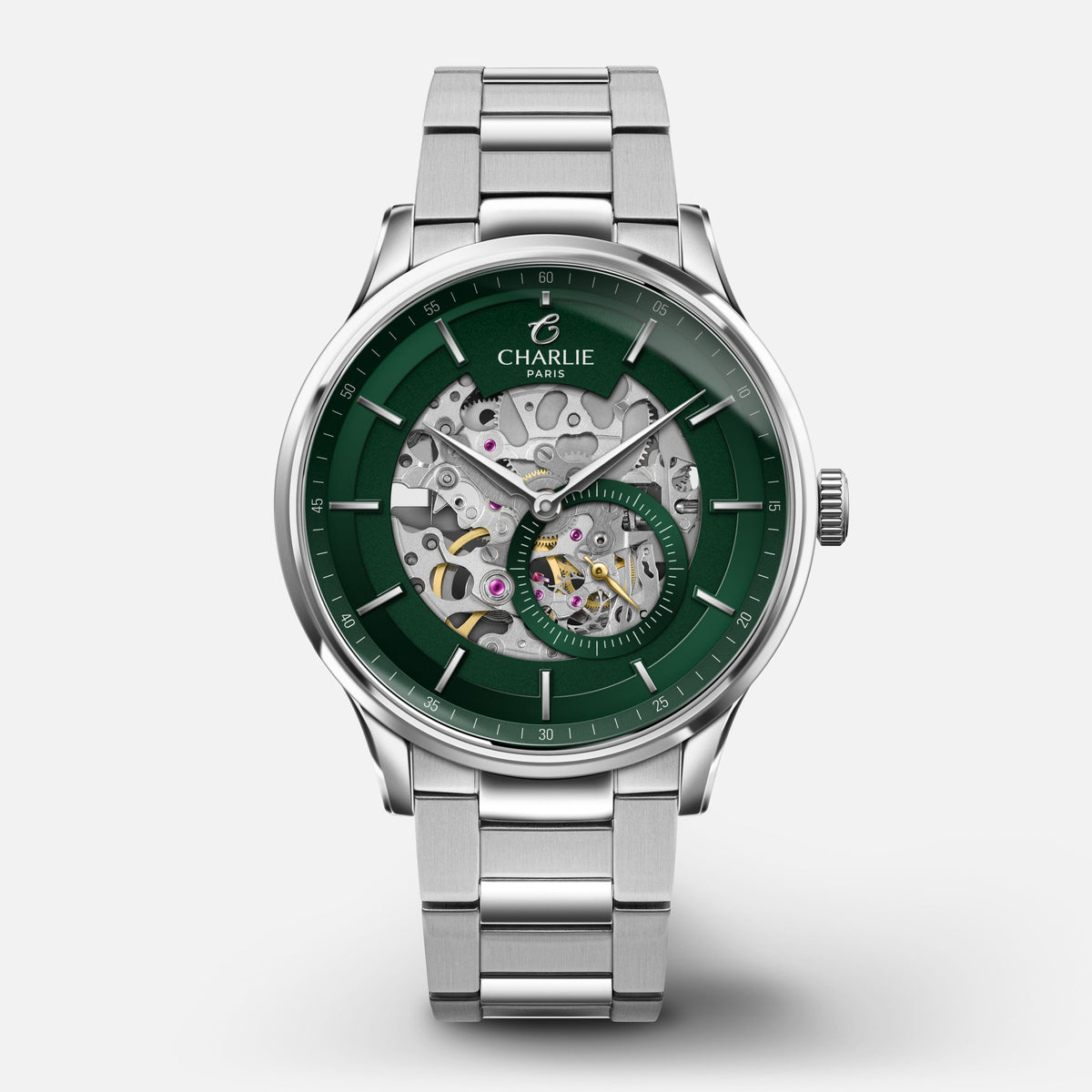
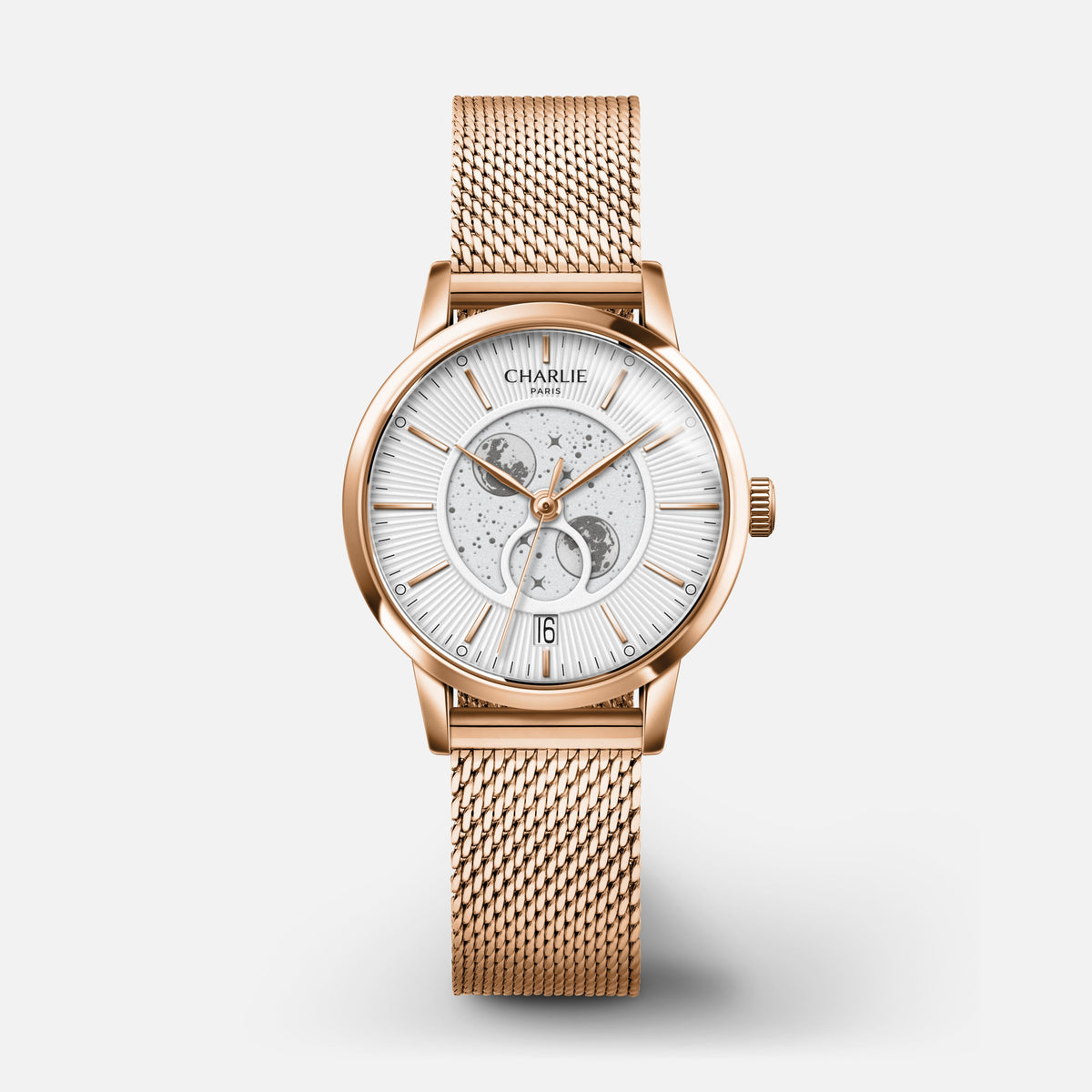
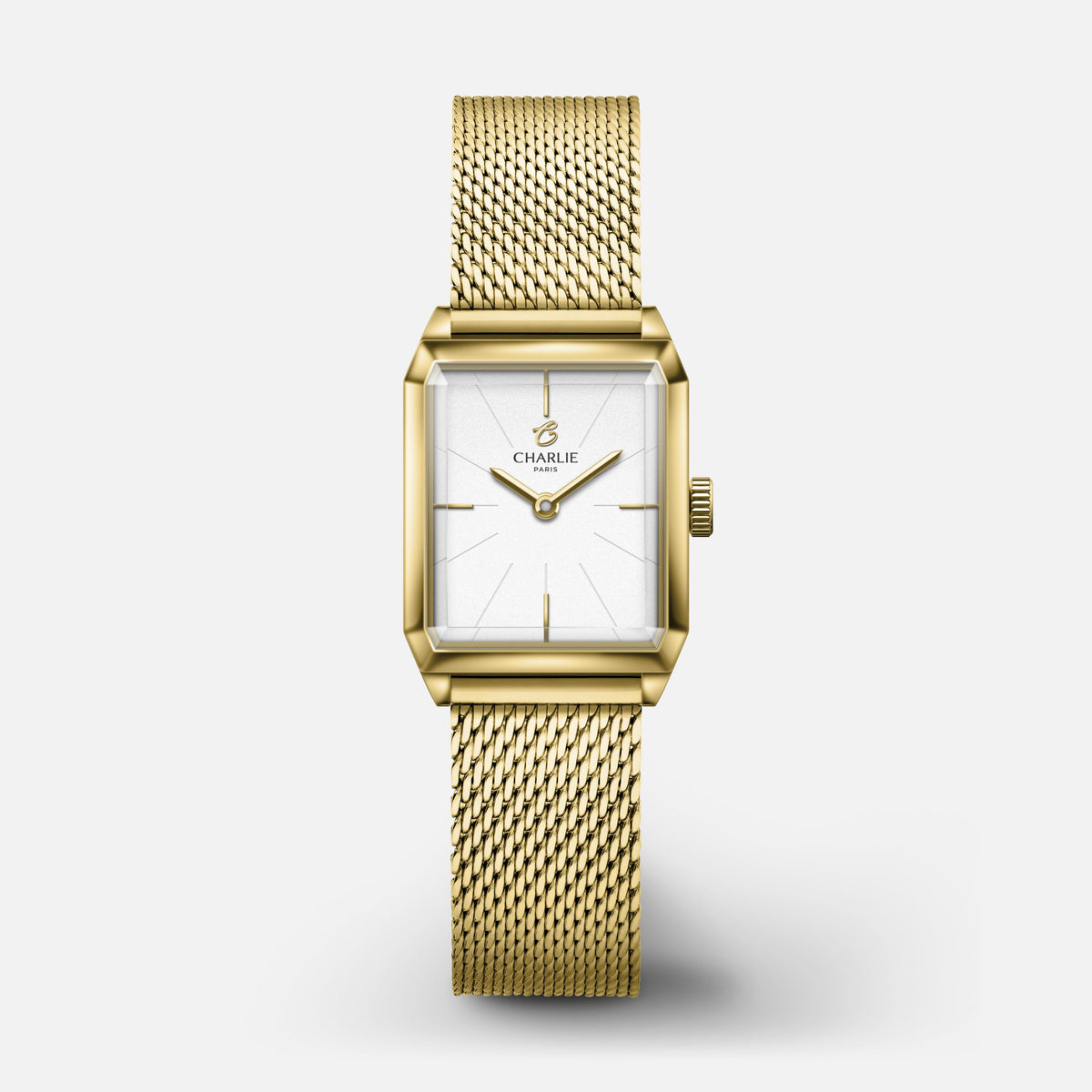
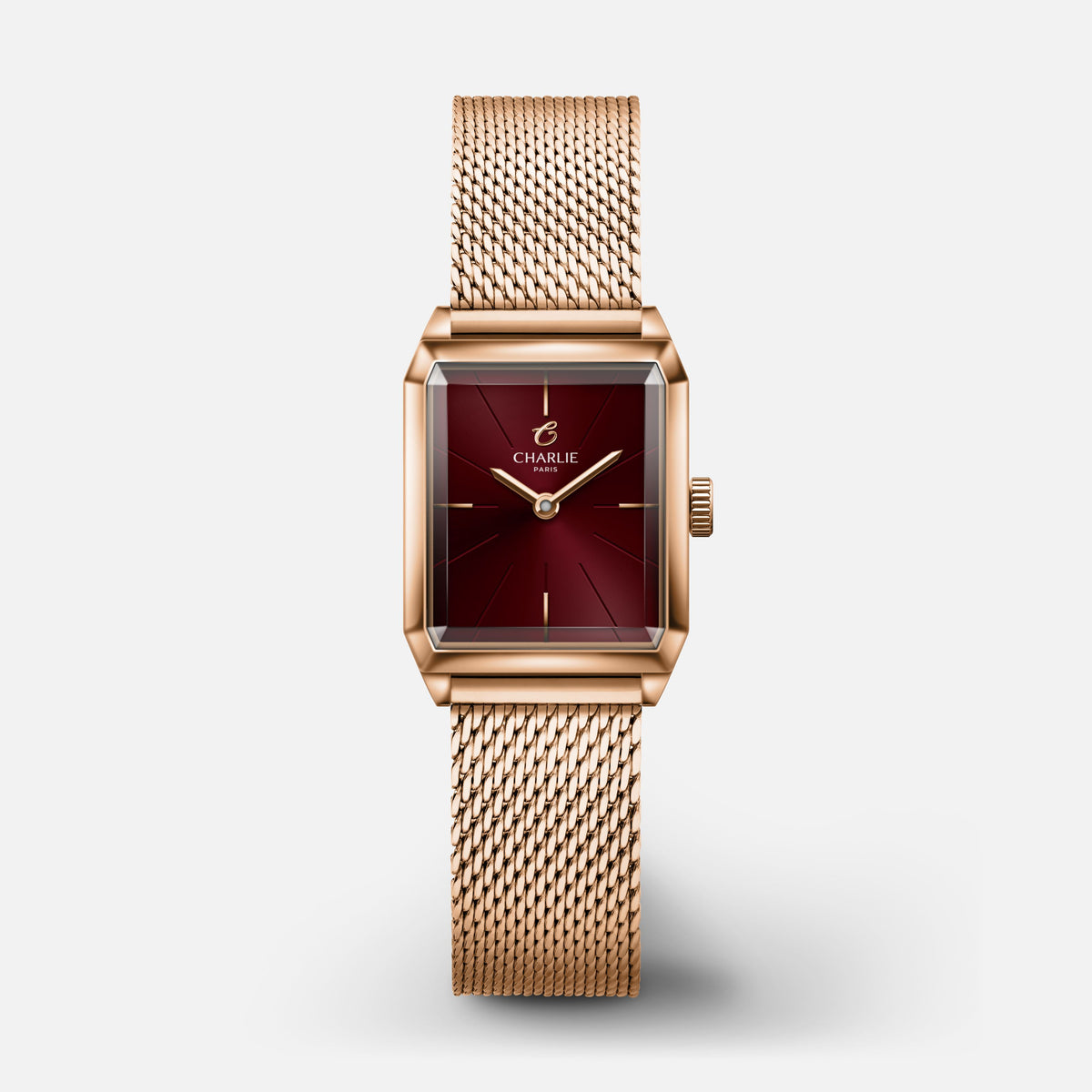
THE watches Charlie Paris are no exception to the rule! Whether it's a waterproof watch, a sports watch or even a automatic watch, As you may have noticed, our hands do indeed turn from left to right.


Read more

Waiting 100 years is already a very long time... Waiting 107 years then seems like an eternity! But how did this expression come about and where does it originate?

From the 13th century to today, from the beginnings of watchmaking to the rise of luxury timepieces, the history of French watchmaking in step with political, technical and social revolutions.