



Stainless steel: Why doesn't it rust ?
Steel is a metal alloy made primarily of iron and carbon. There are several types of steel, some of which are stainless. But why doesn't the stainless steel in our watches rust? To answer this question, we will explain the specific characteristics of this type of steel.
1. The formation of steel
Steel is a metal alloy composed primarily of iron, but also of carbon. The addition of carbon, between 0.02% and 2%, transforms iron into steel, making it even stronger while also giving it a certain degree of flexibility. This is why steel is widely used in construction. At this stage, steel is not a stainless alloy. Beyond 3% carbon, iron becomes cast iron, but this high carbon content makes the metal very hard but also brittle. This is why iron is now almost never used in its raw form but is almost always converted into steel.
2. Steel, an oxidizable alloy
Raw steel is an oxidizable alloy. It naturally reacts with oxygen molecules present in air or water through redox reactions. This reaction is more commonly known as "corrosion." These reactions result in the formation of iron oxide and hydroxide, also called "rust," that familiar red-orange substance found on some iron structures. Rust is a destructive agent that consumes steel, initially leading to the creation of small holes on the surface of a steel element, eventually resulting in its complete decomposition. This underscores the need to create a durable alloy that resists these reactions.
3. From steel to stainless steel
In 1912, two German chemists, Strauss and Maurer, filed a patent for the first stainless steel, a carefully crafted mixture of steel, chromium, and nickel that makes the steel highly resistant to corrosion and prevents it from rusting. The chromium content of stainless steel is at least 10.5%, its carbon content must be less than 1.2%, and its nickel content approximately 8%. There are three main categories of stainless steel: ferritic, martensitic, and austenitic.
4. What are the characteristics of 316 and 316L steel?
316L steel is a type of austenitic stainless steel with a carbon content of less than 0.02%, a chromium content of around 17%, and a nickel content of 10 to 12.5%. Molybdenum is added to this alloy, with 2 to 2.5% added. The "L" in the abbreviation 316L indicates that it is a "low carbon" steel. The minimal carbon content in the structure of this alloy prevents the formation of carbon deposits, and therefore the steel is not susceptible to corrosion.
5. Why do we use 316L stainless steel in our watches?
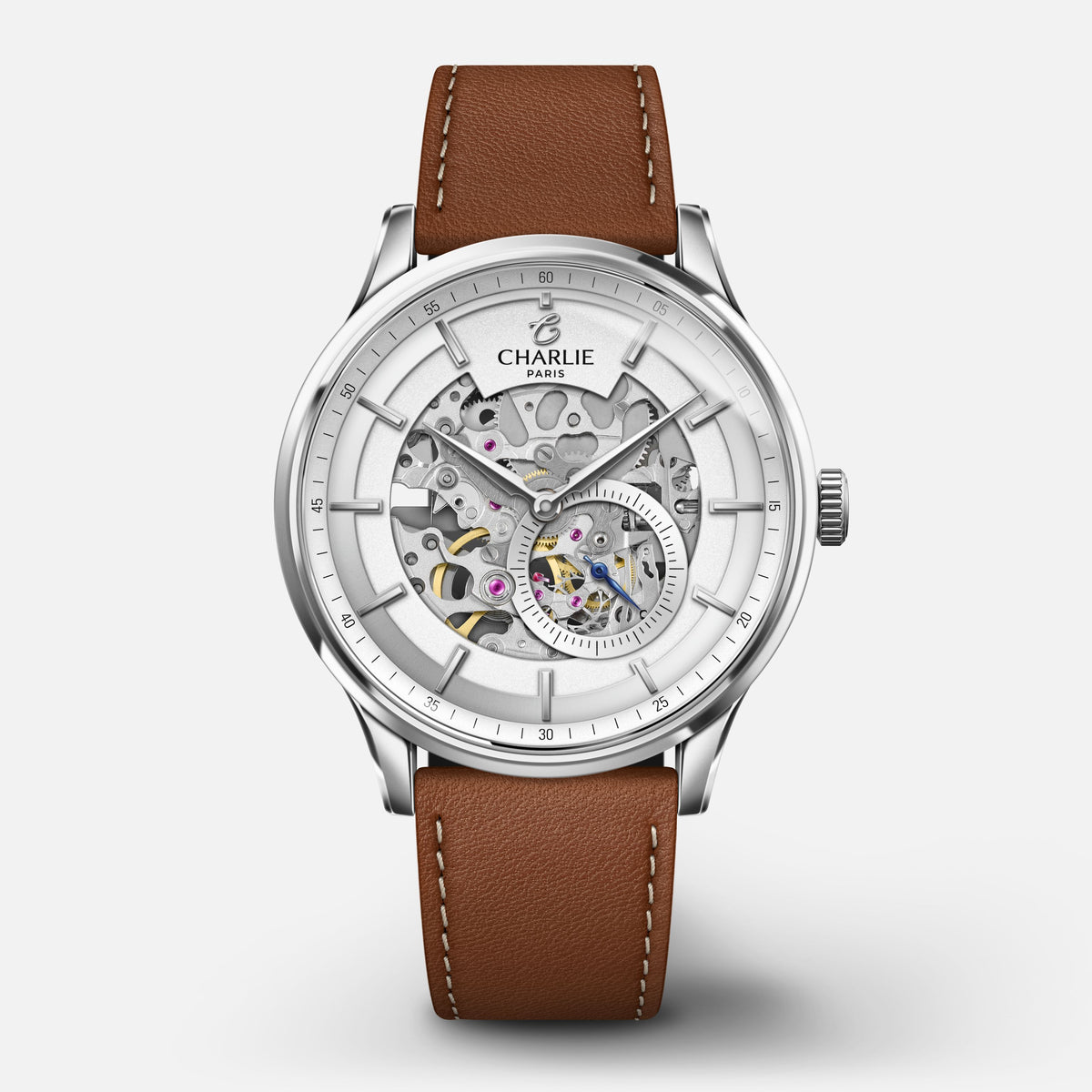
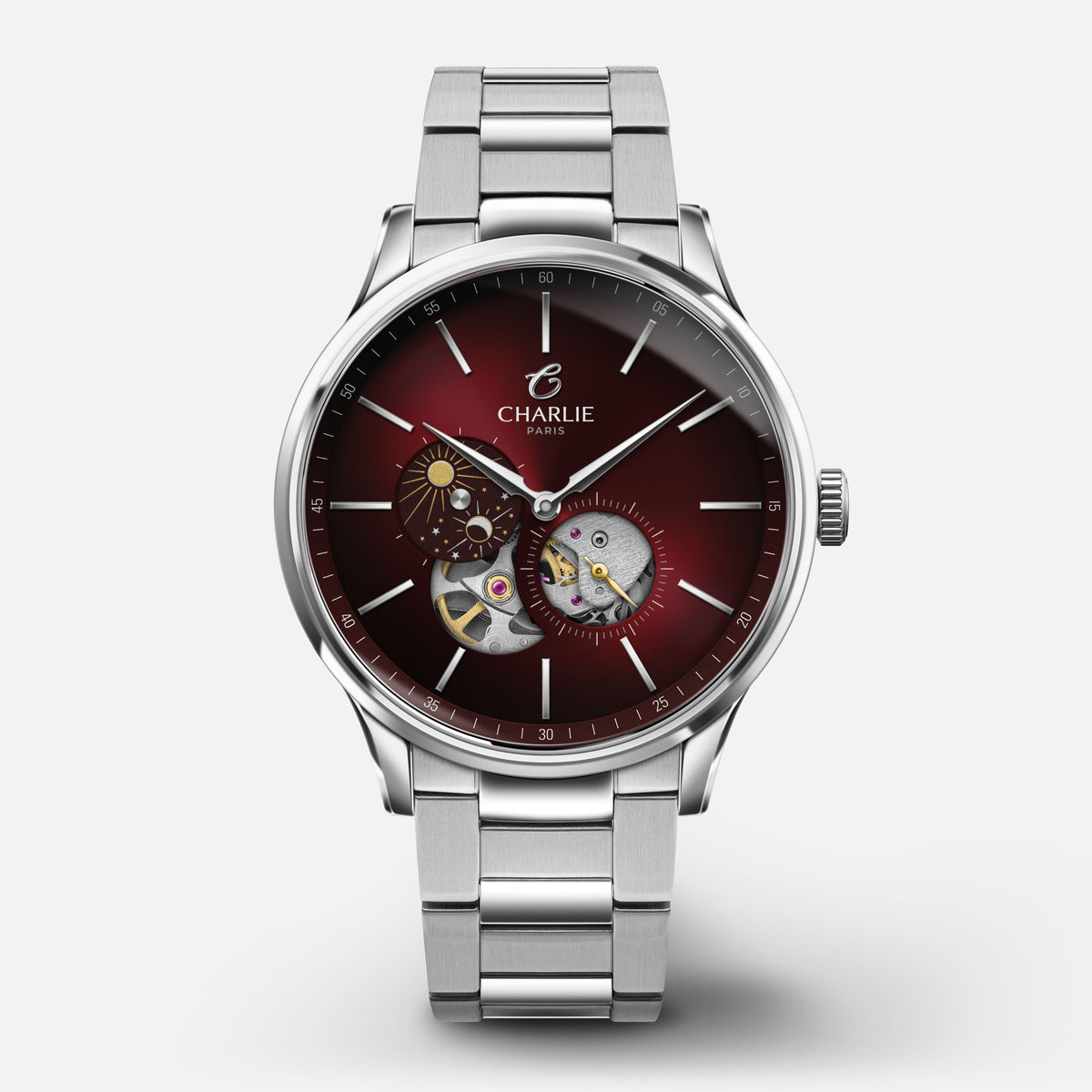
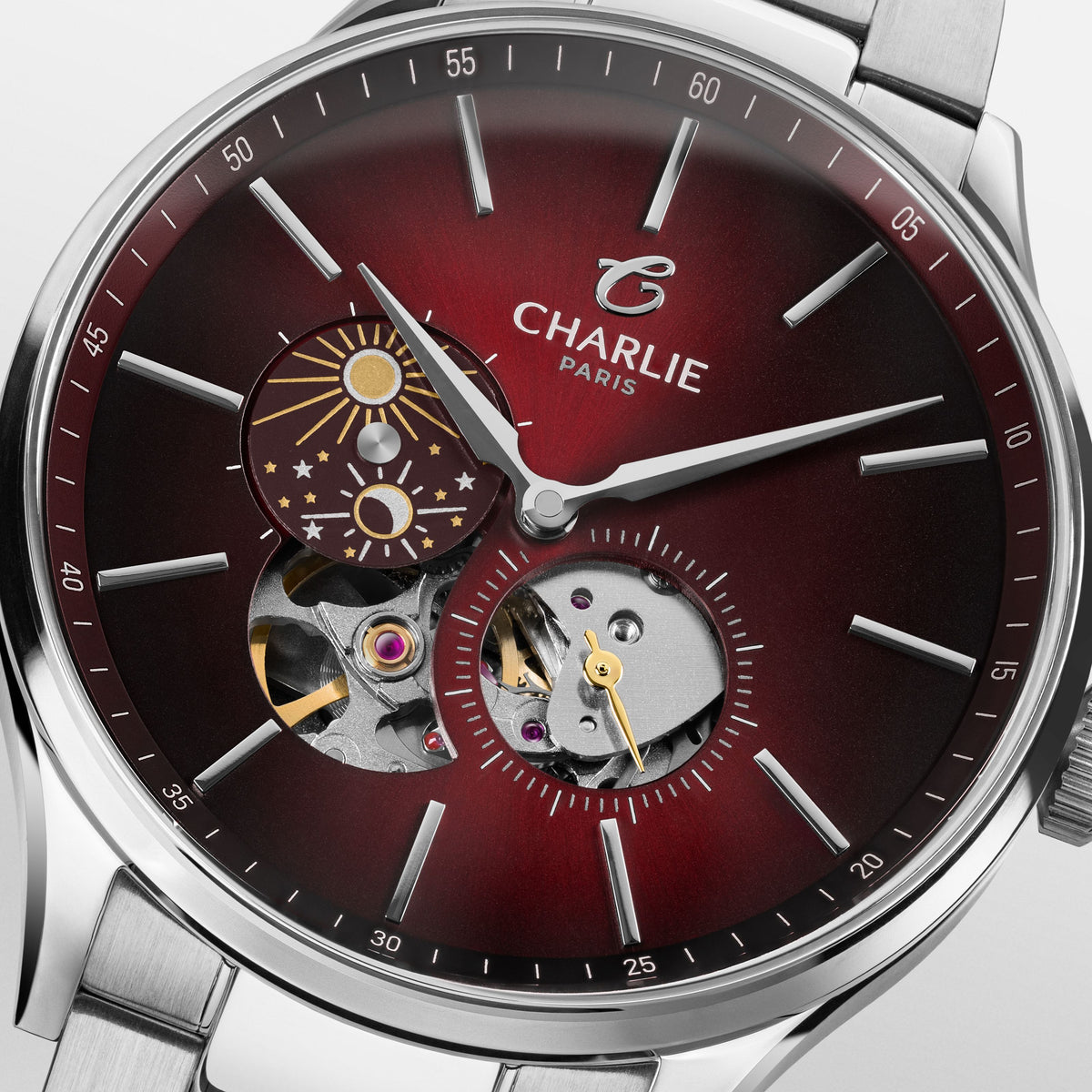
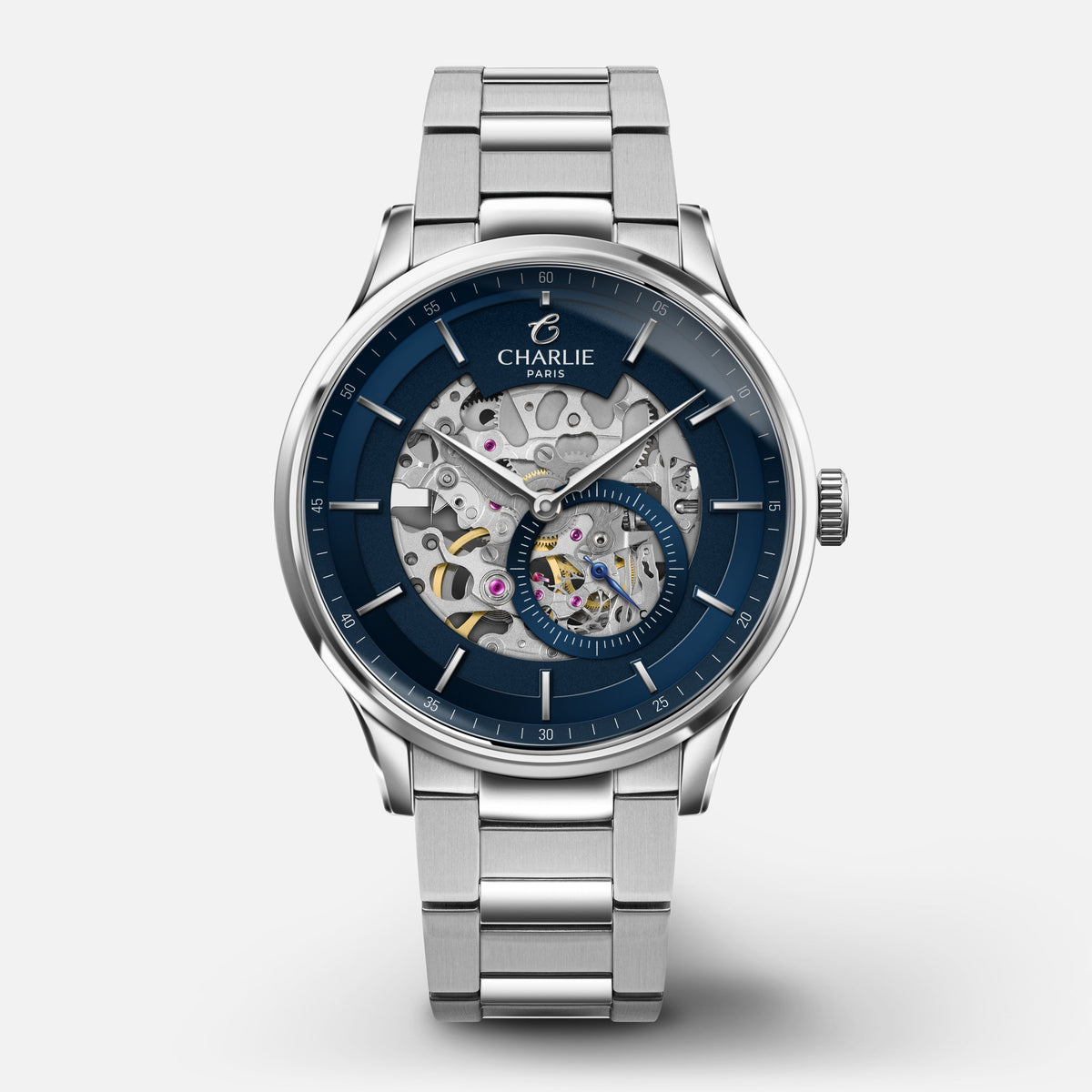
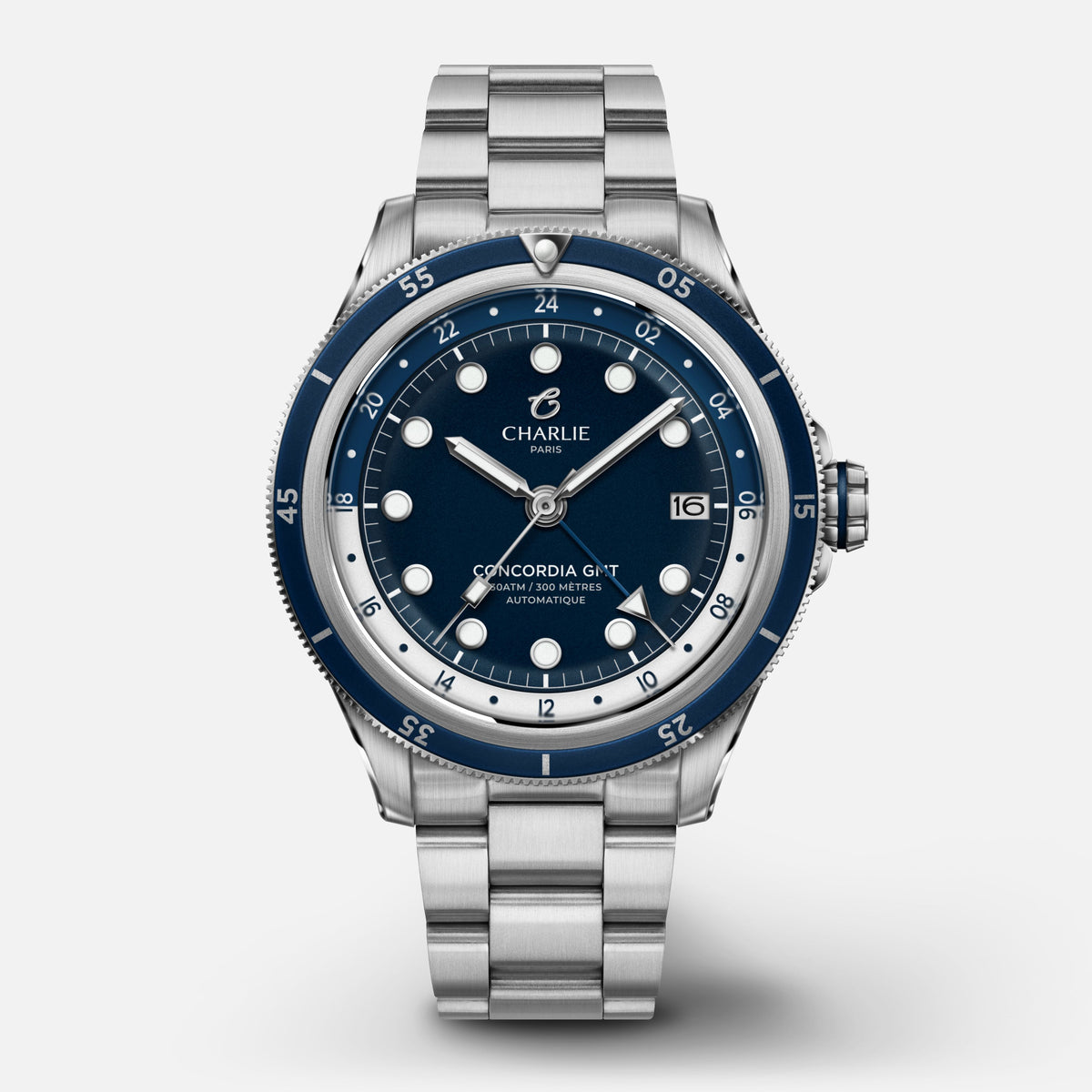
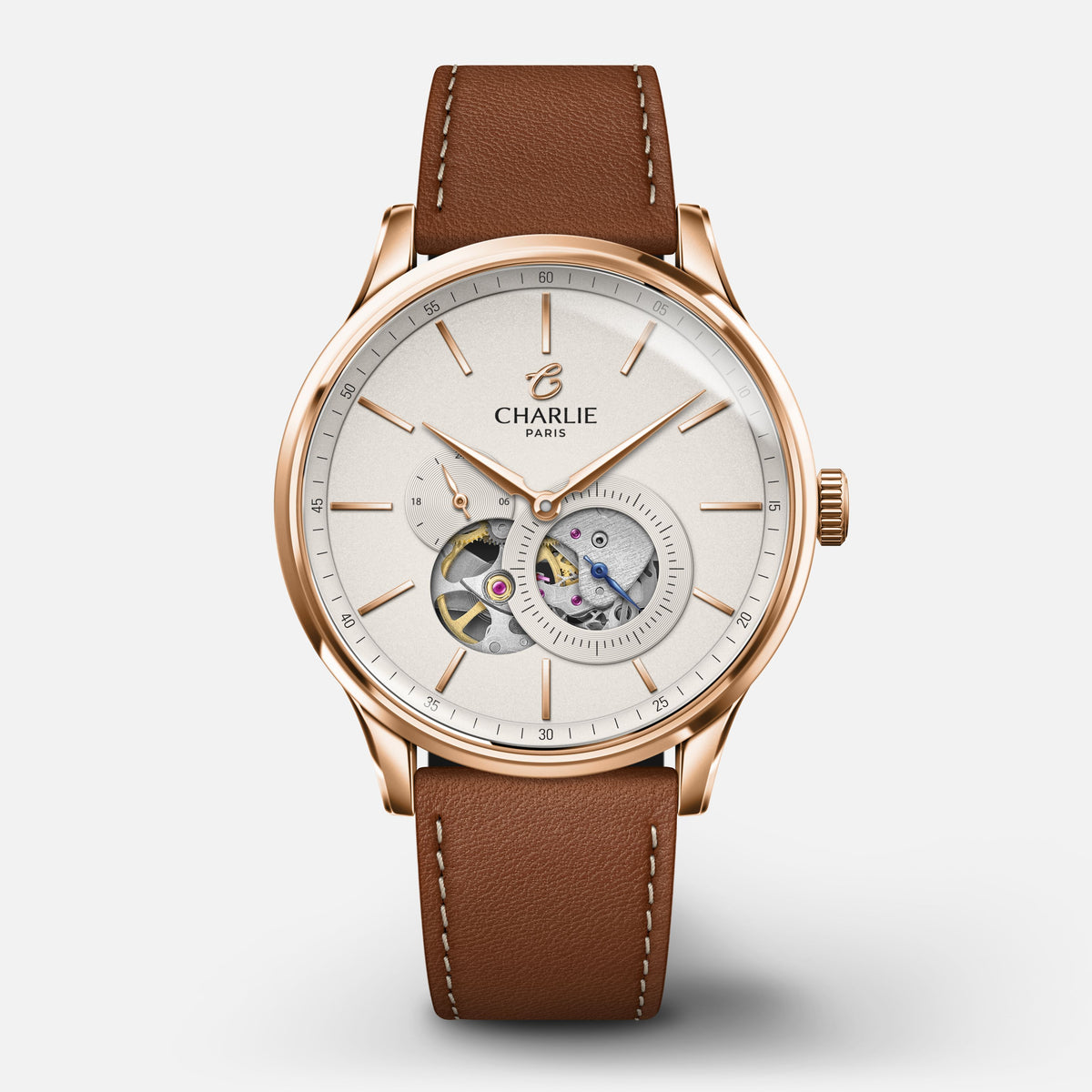
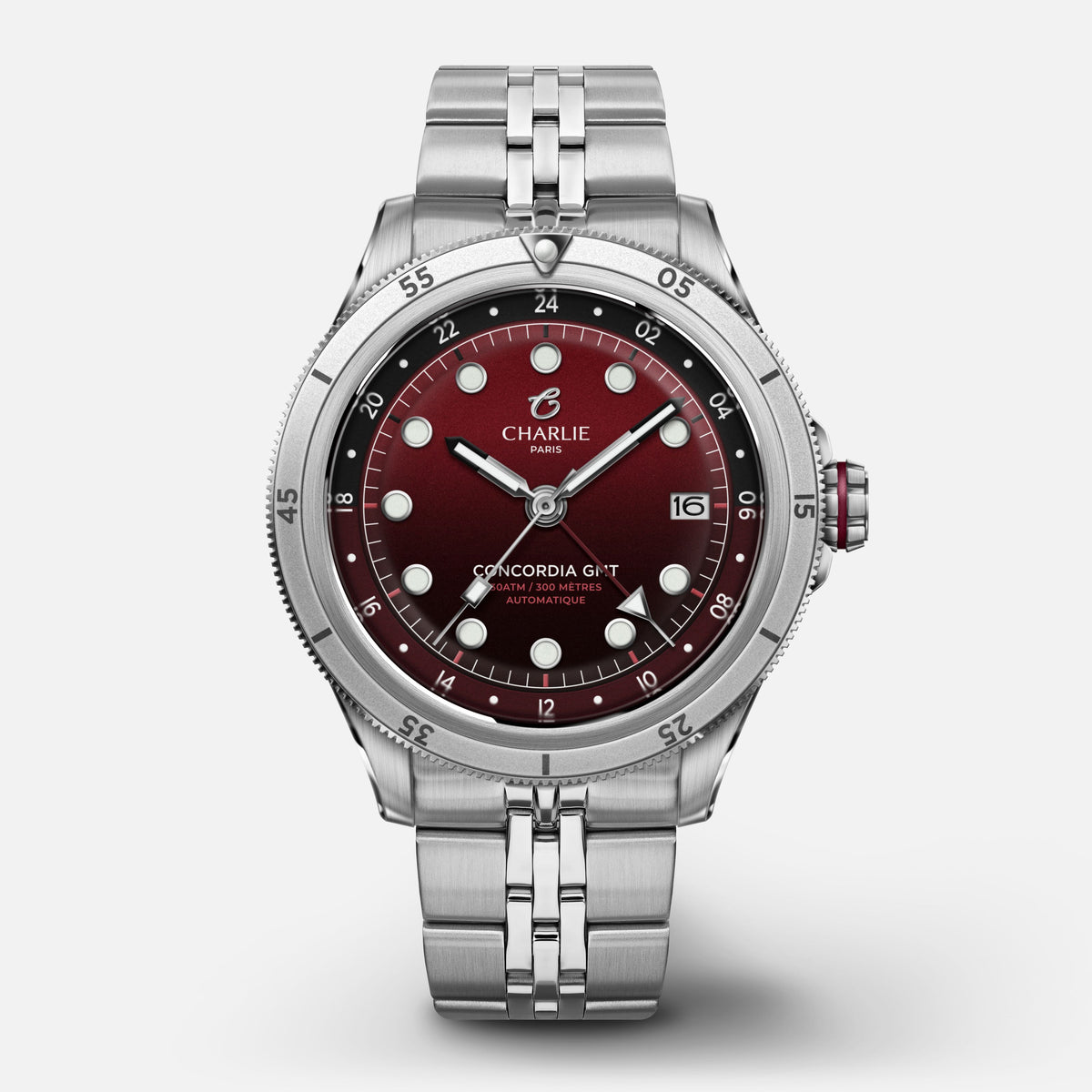
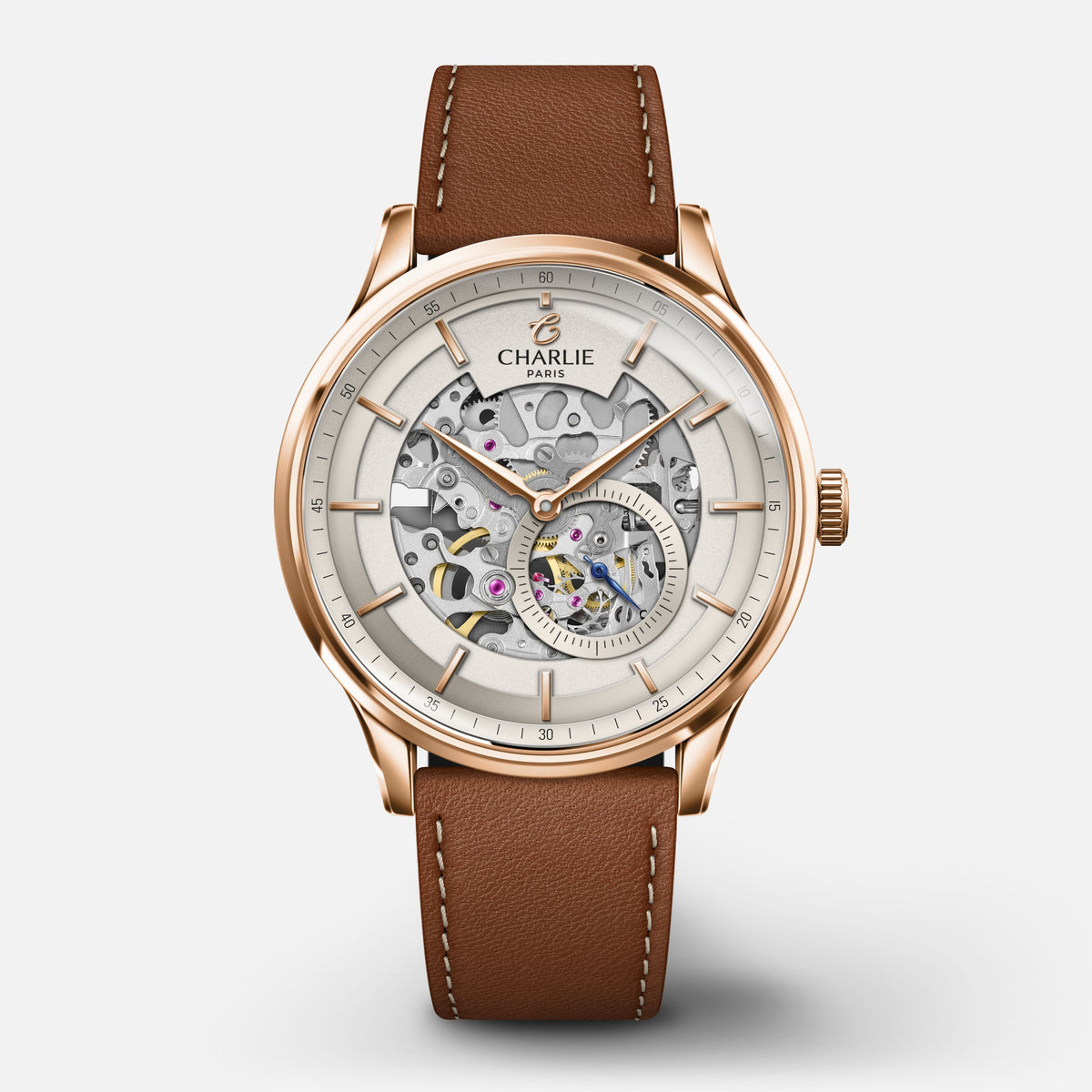
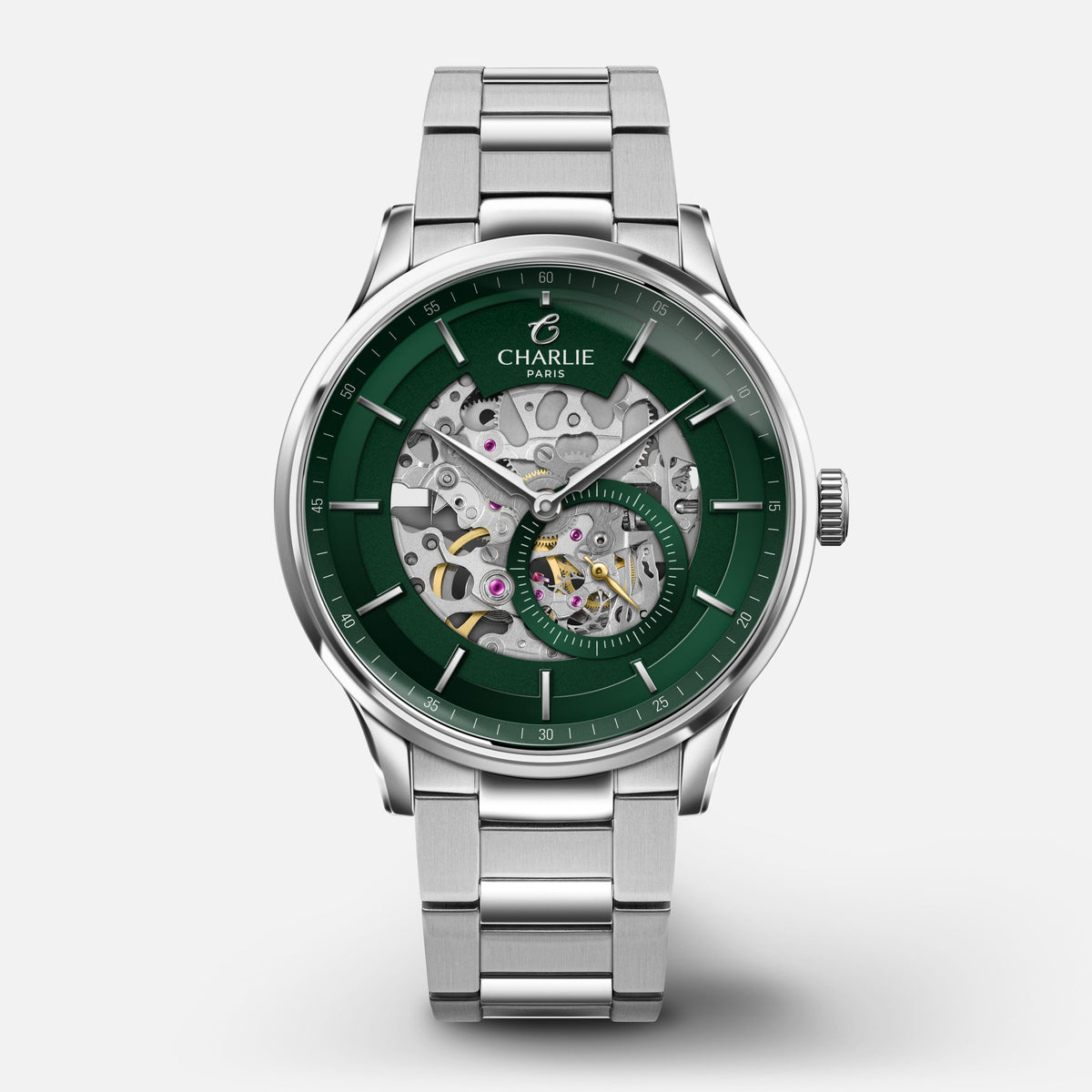
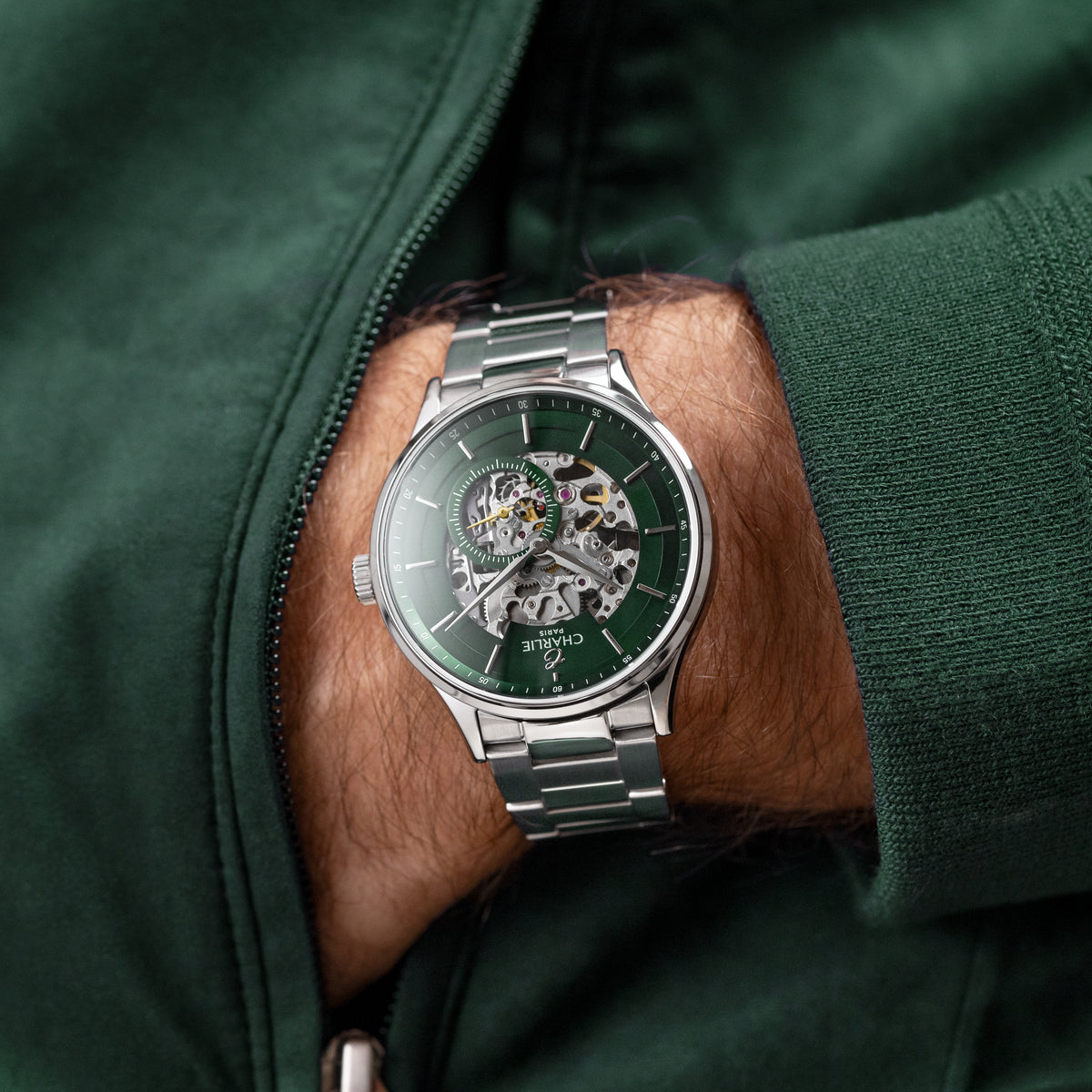
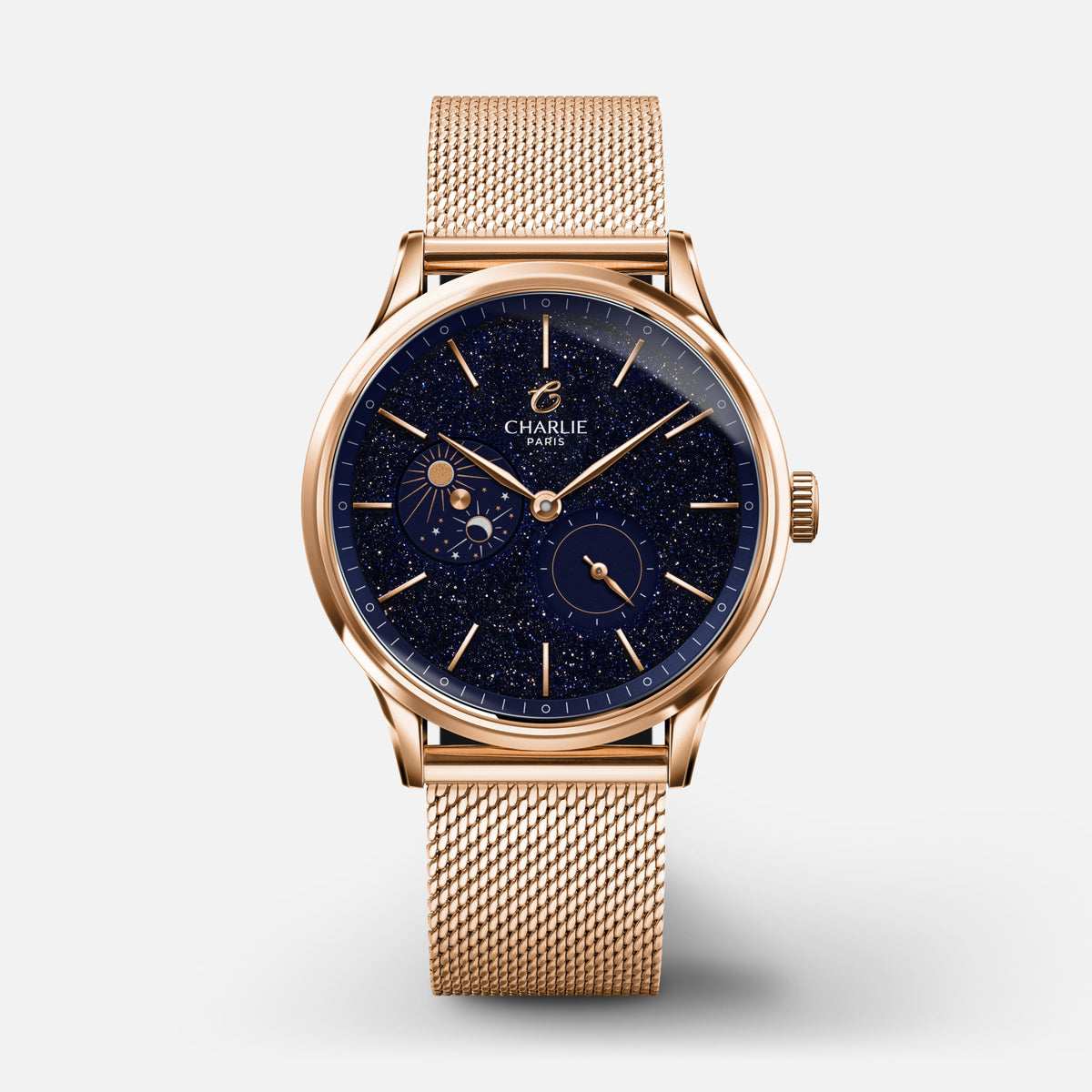
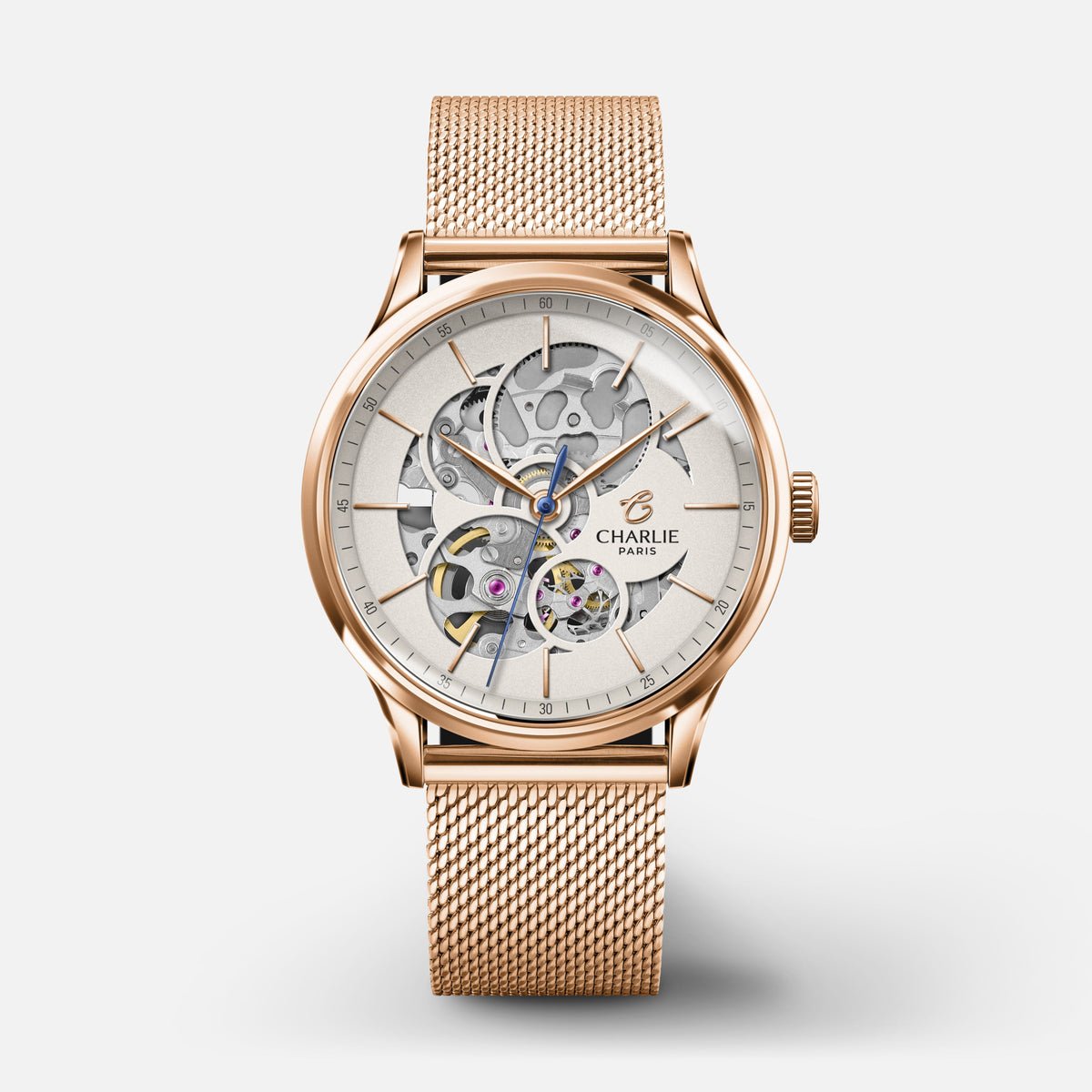
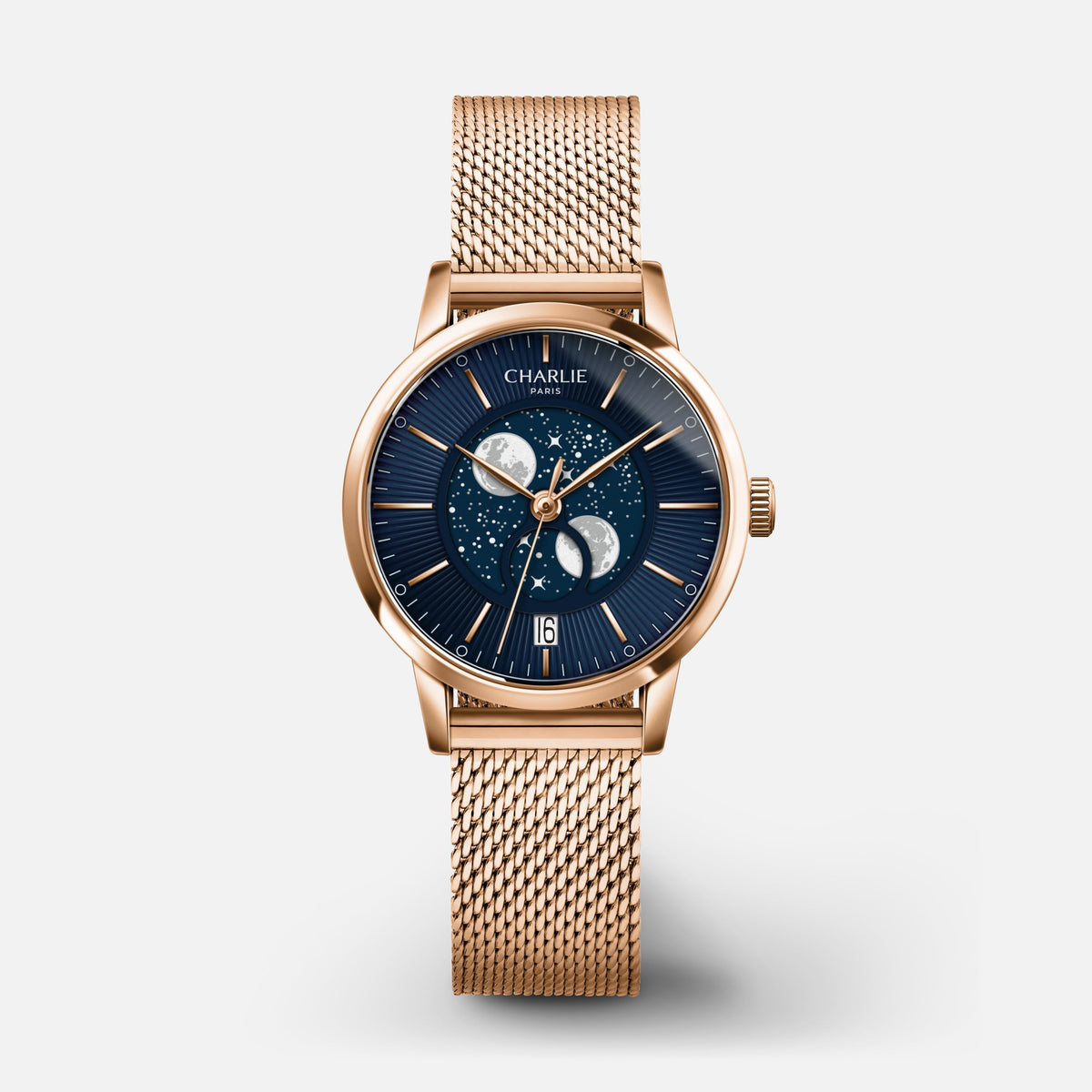
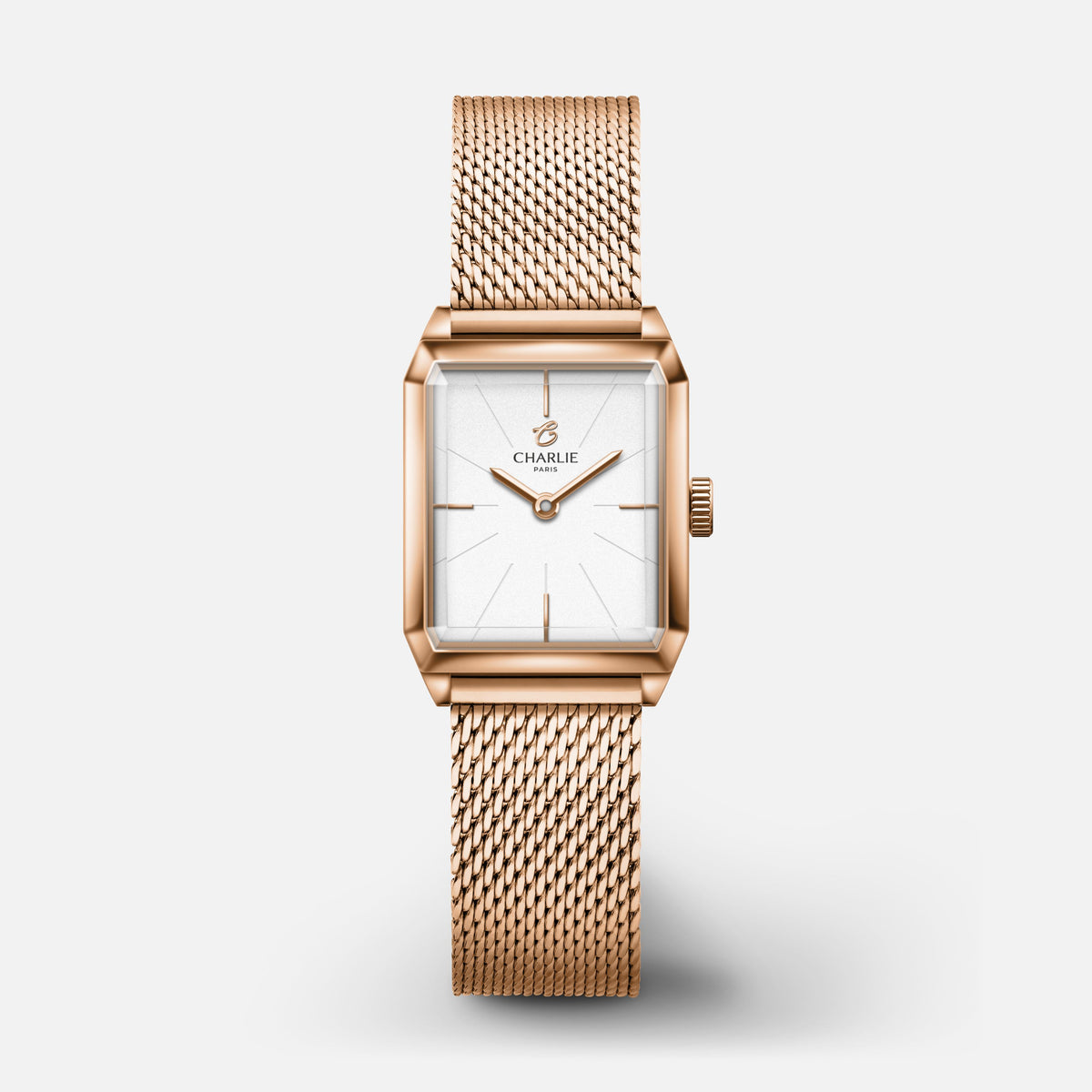
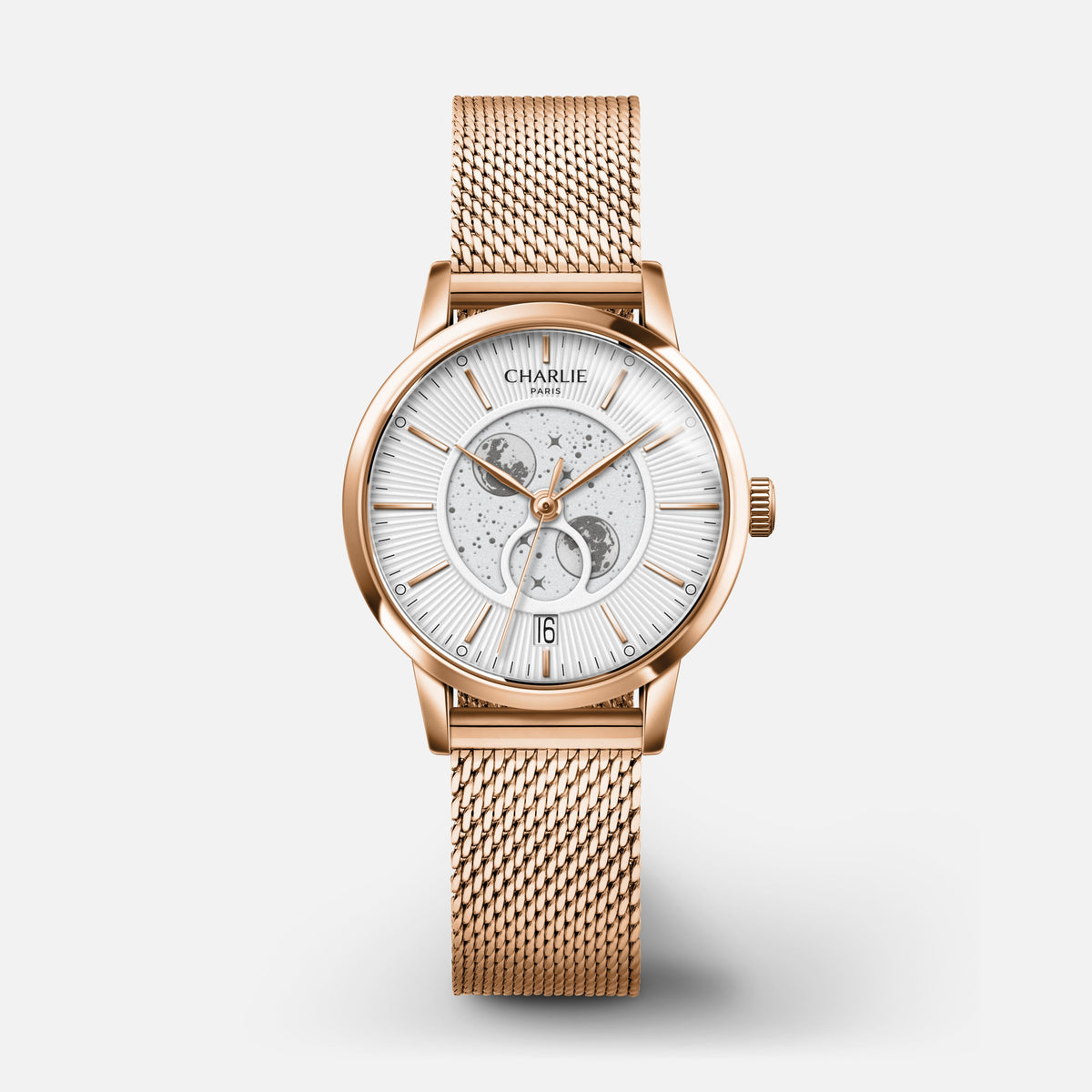
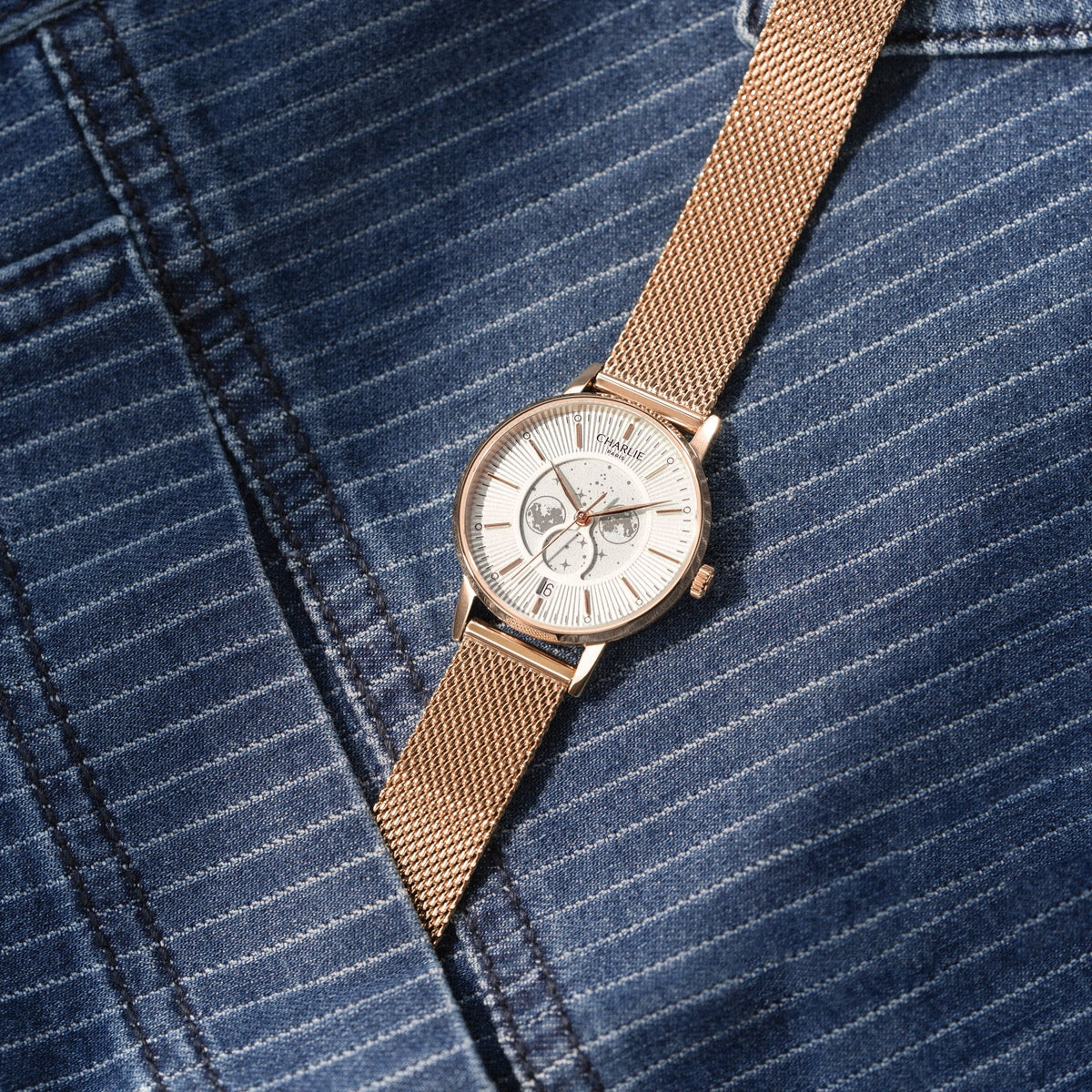
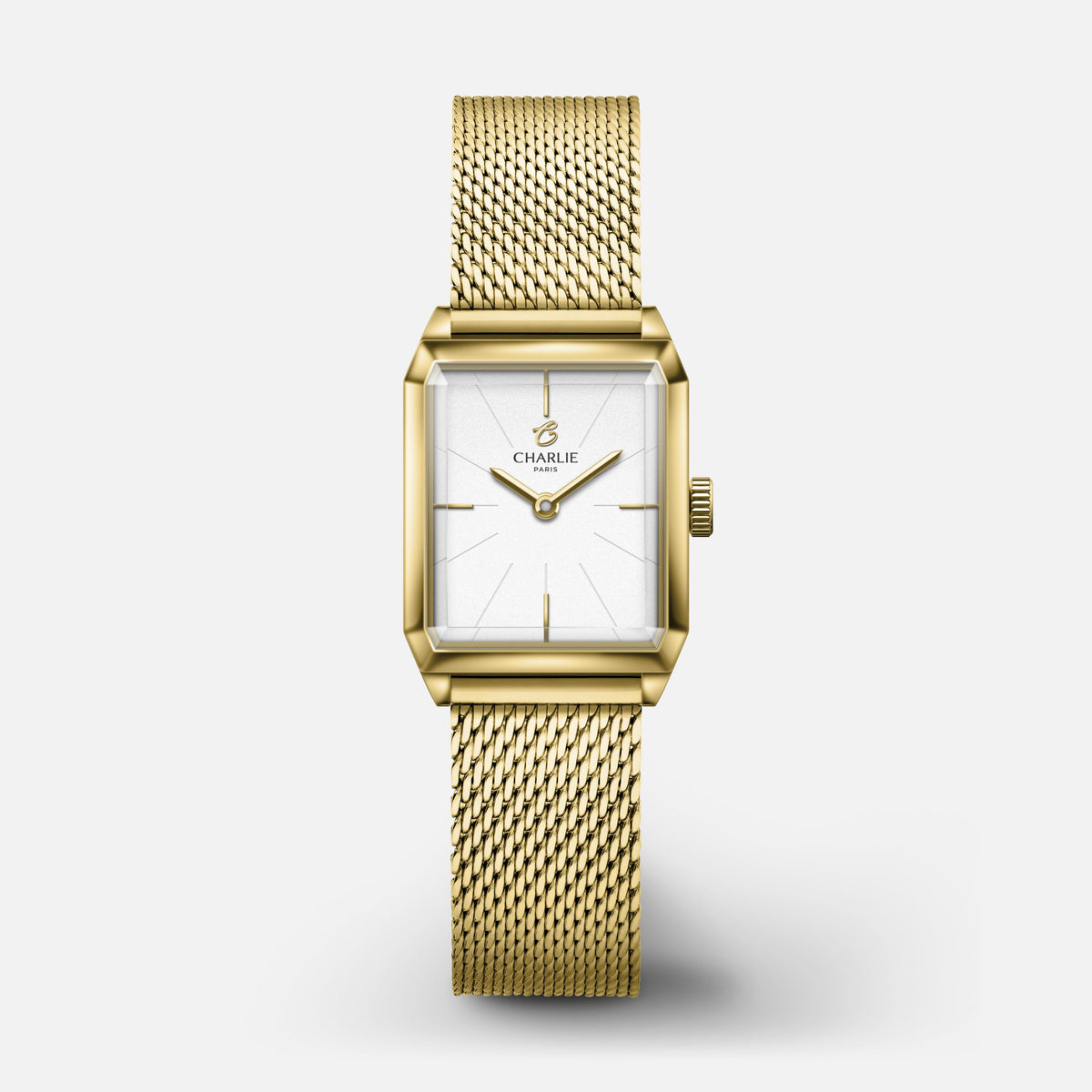
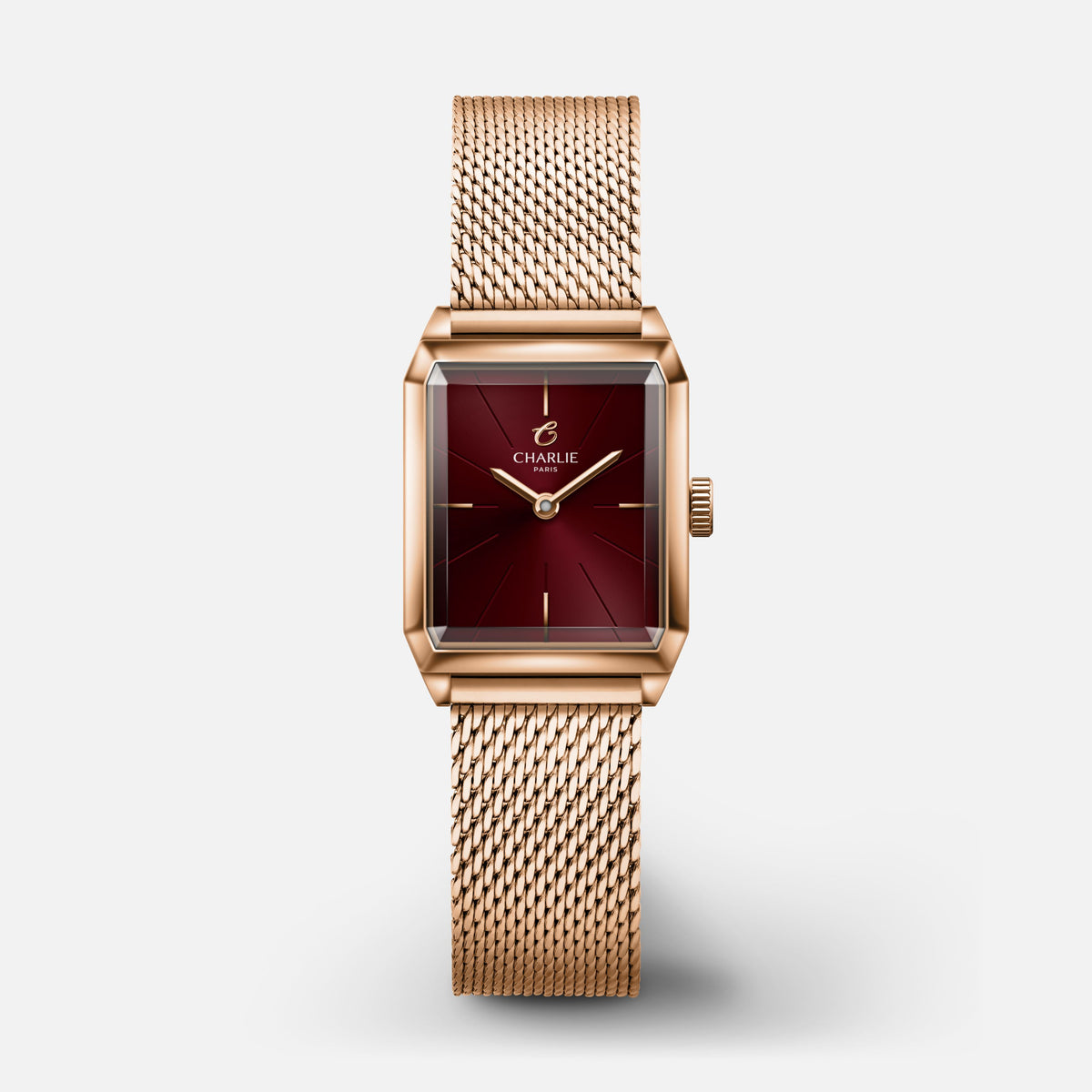
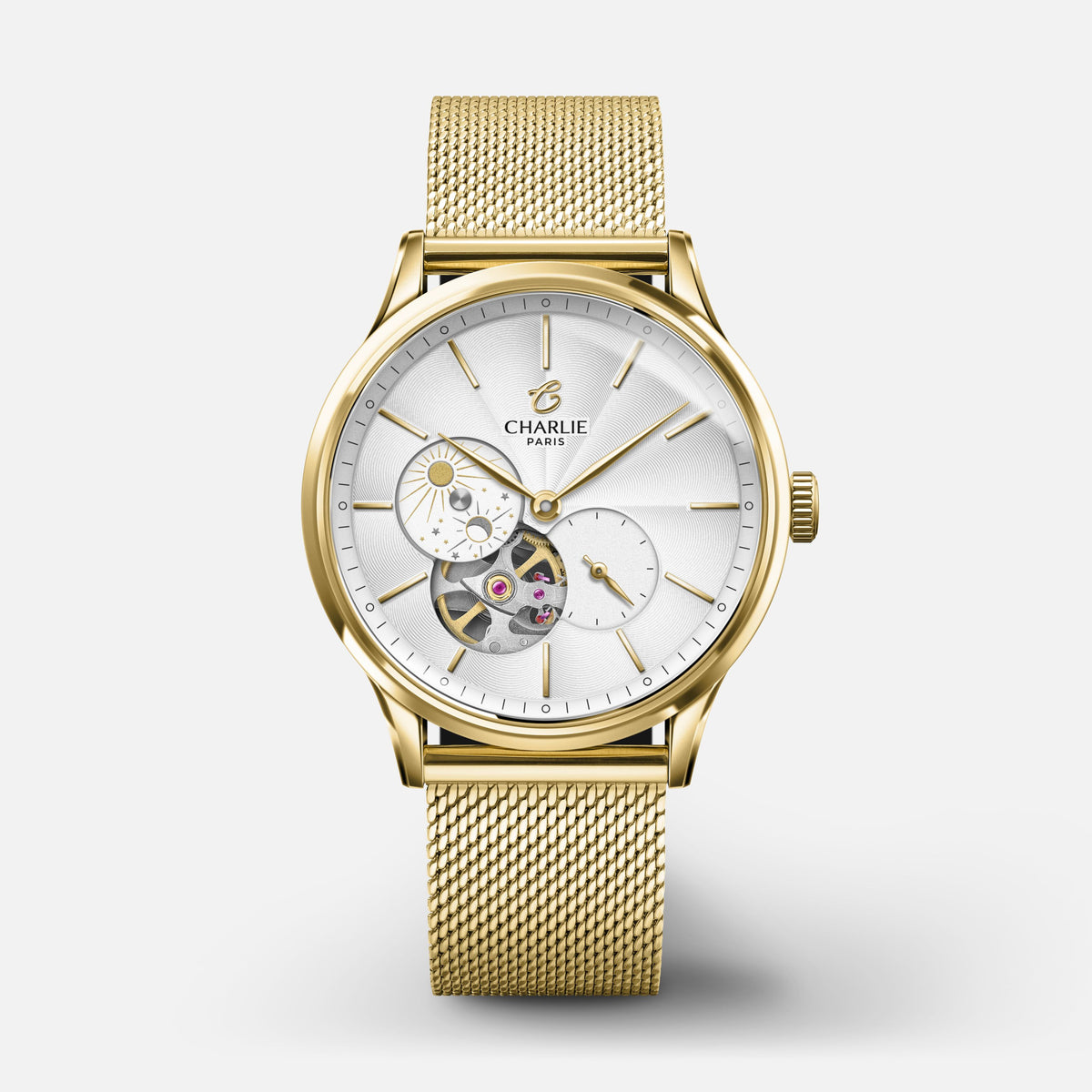
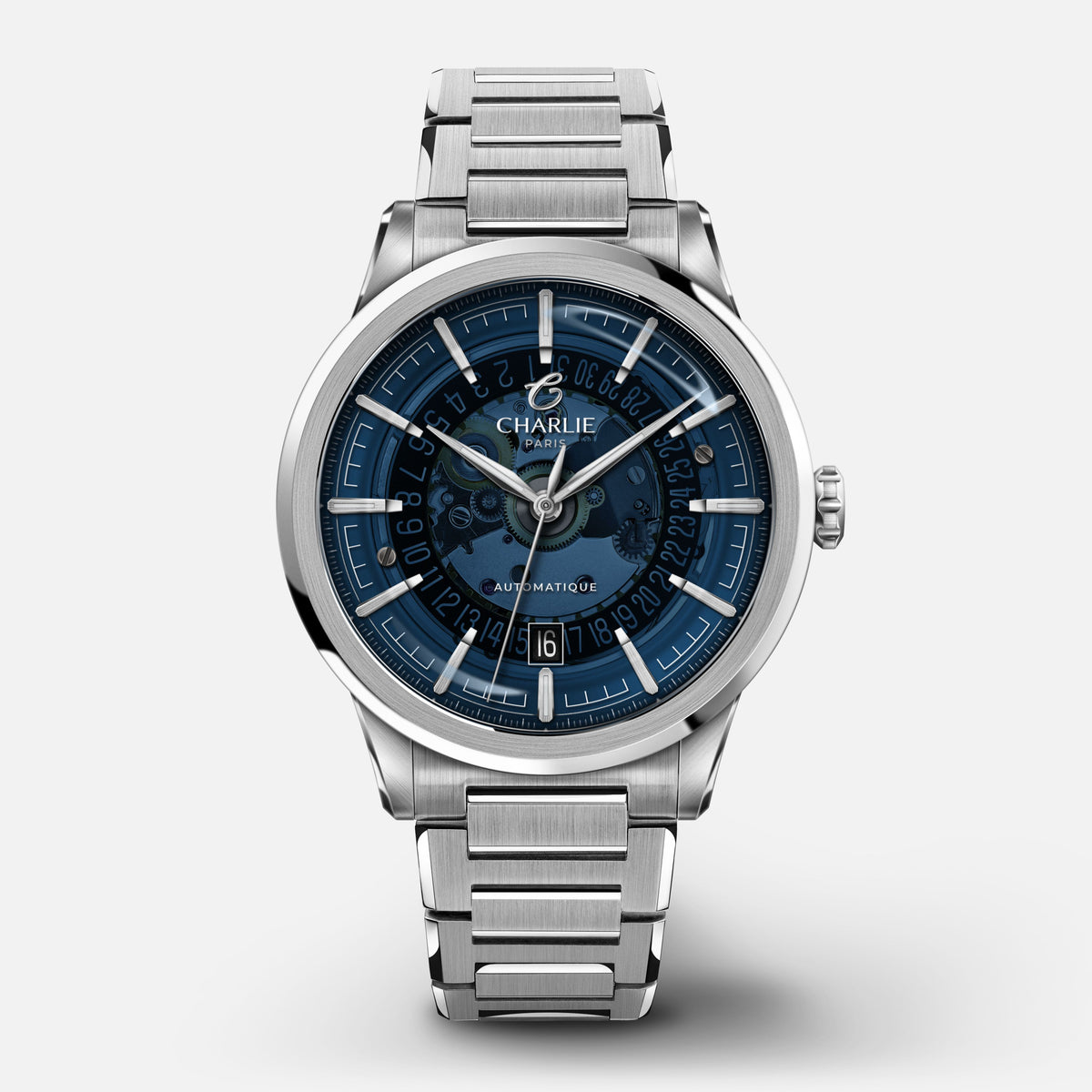
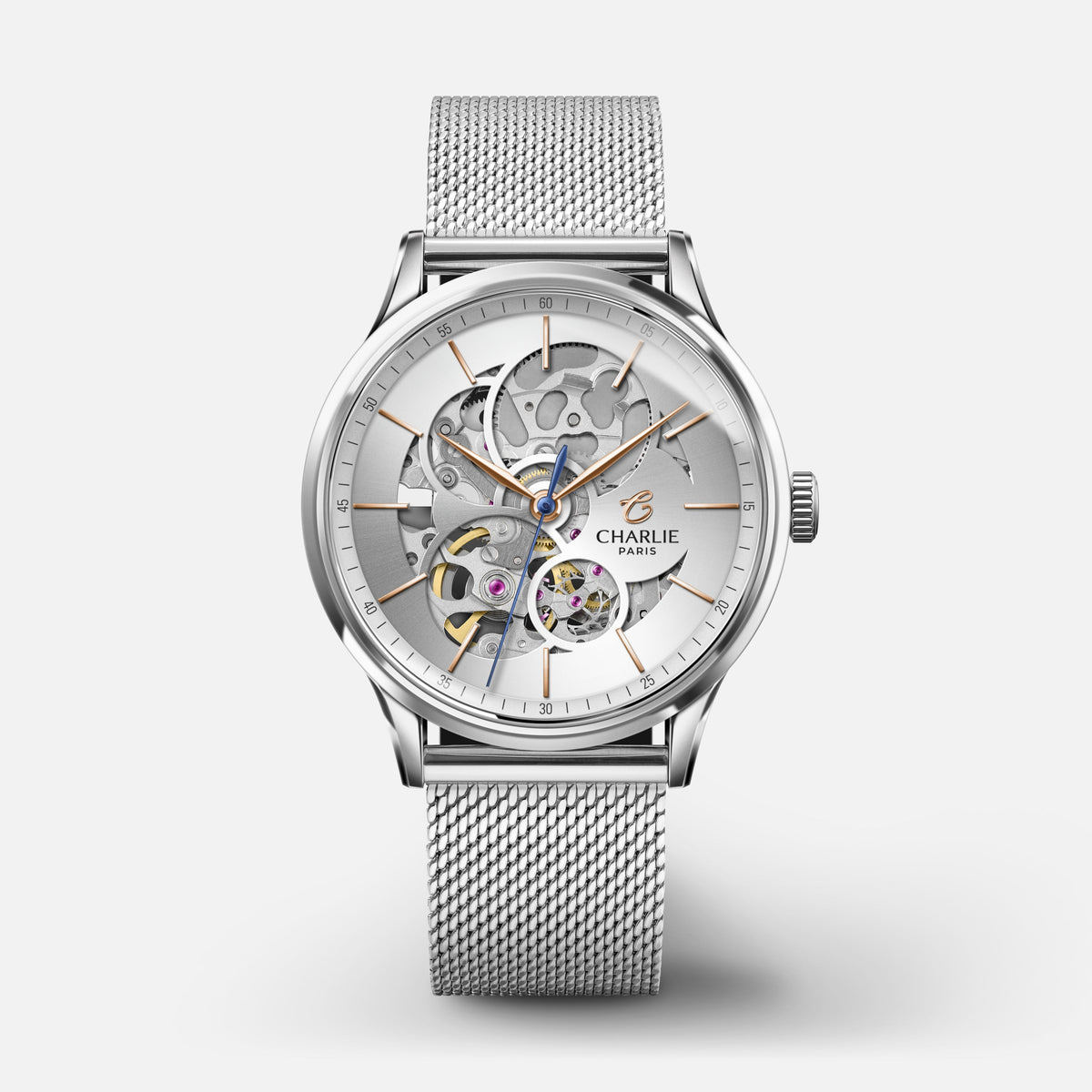
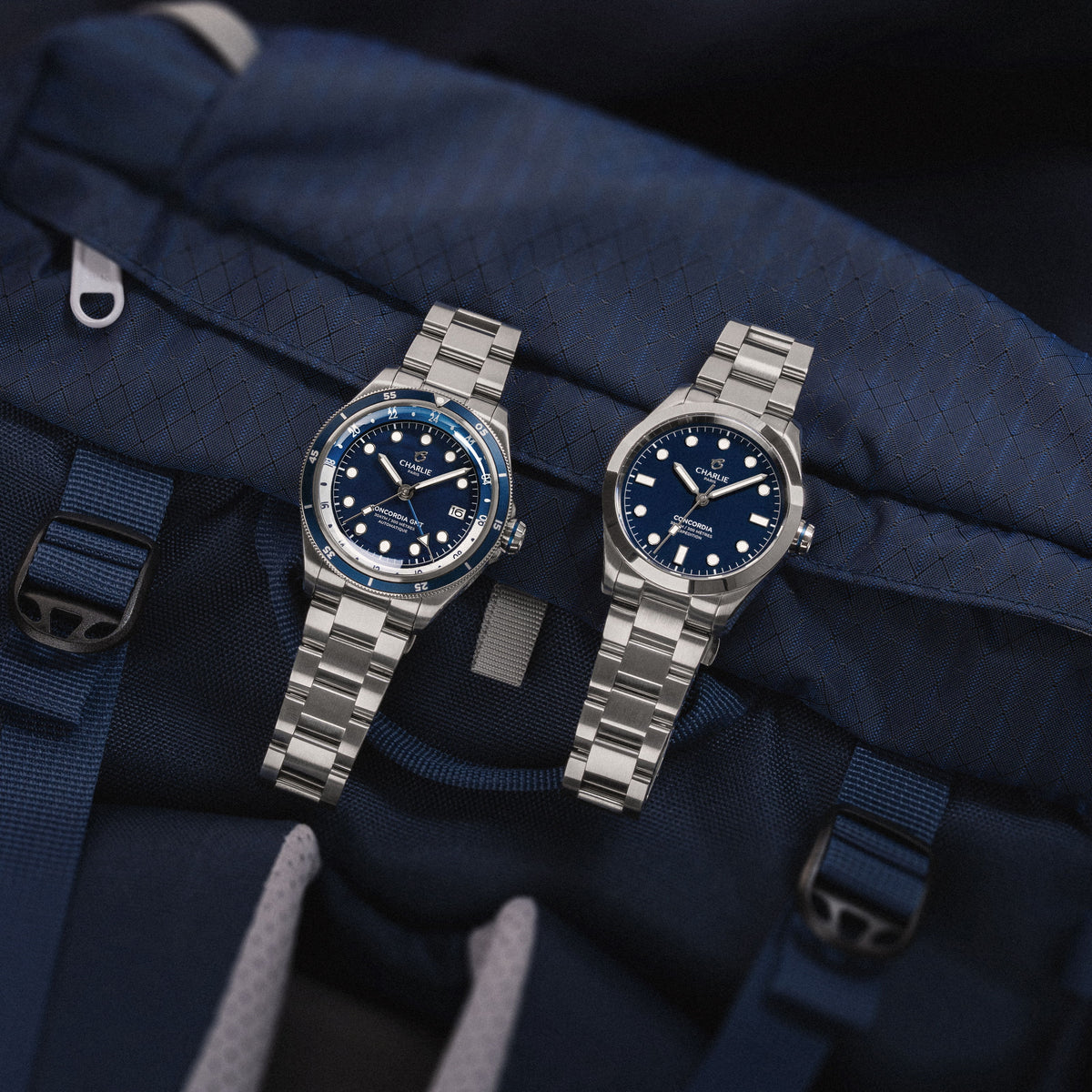
For all of our watches, We chose to work with 316L stainless steel. As you might have guessed, this alloy is known for its durability. and also its high resistance to corrosion, two elements that we consider essential for the
Finally, 316L steel is very easy and fully recyclable. Therefore, stainless steel watches can have a new life. Stainless steel can be recycled infinitely without losing its quality.Since environmental responsibility is one of Charlie Paris's core values, it was only natural that we turned to this type of steel for our watches


Read more

Before the invention of the watch it was not easy to have an idea of the time, you had to wait to go to a town to consult the unique clock hanging on the bell tower.

Between Sapphire glass, mineral glass or even acrylic glass, it's difficult to see clearly and tell the difference. The Charlie team explains in detail the characteristics of each one.